Cirrus training & FAA-to-EASA support

Fly the Cirrus with confidence.

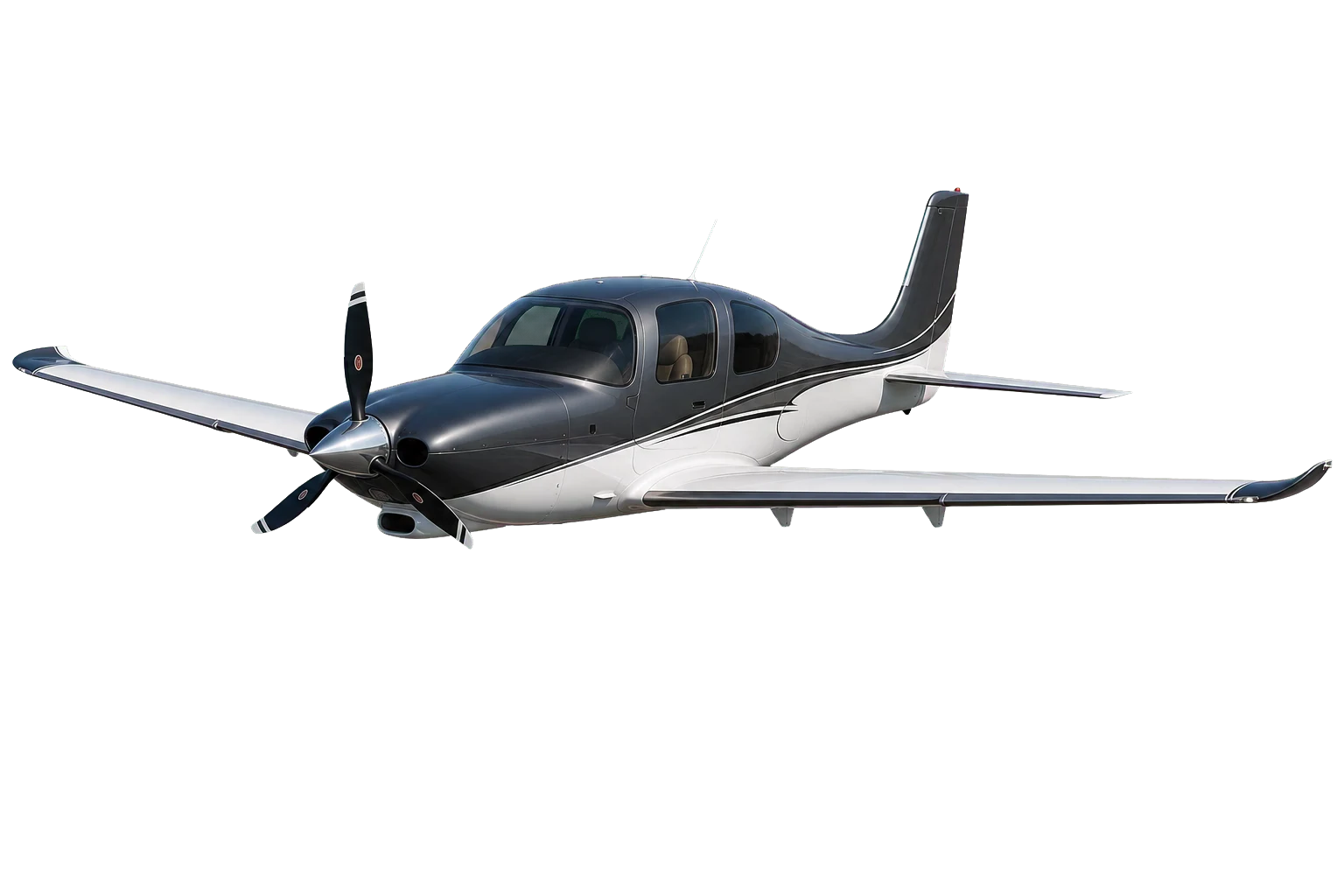
Personalised Cirrus SR22T training and structured FAA-to-EASA licence transition support for international pilots operating in European airspace.

Training environment

From glass cockpit workflow to alpine terrain.

Cirrus training is most useful when it is connected to the missions pilots actually fly: weather, terrain, avionics, unfamiliar airspace and real arrival decisions.

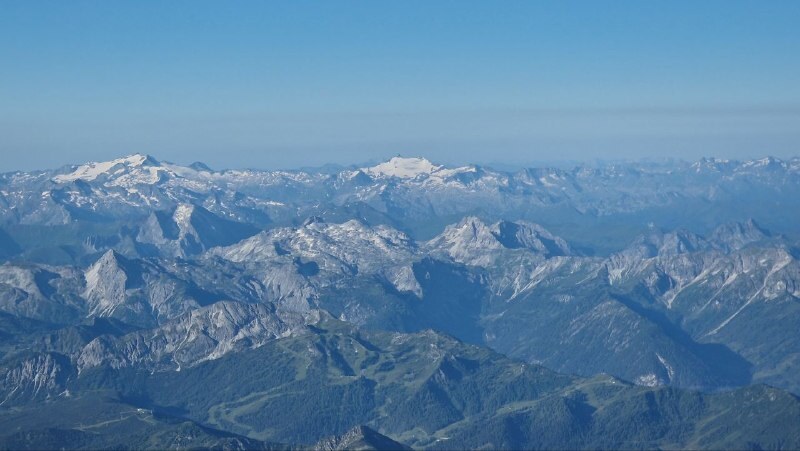
Alpine terrain seen from a private aircraft
Alpine terrain awareness
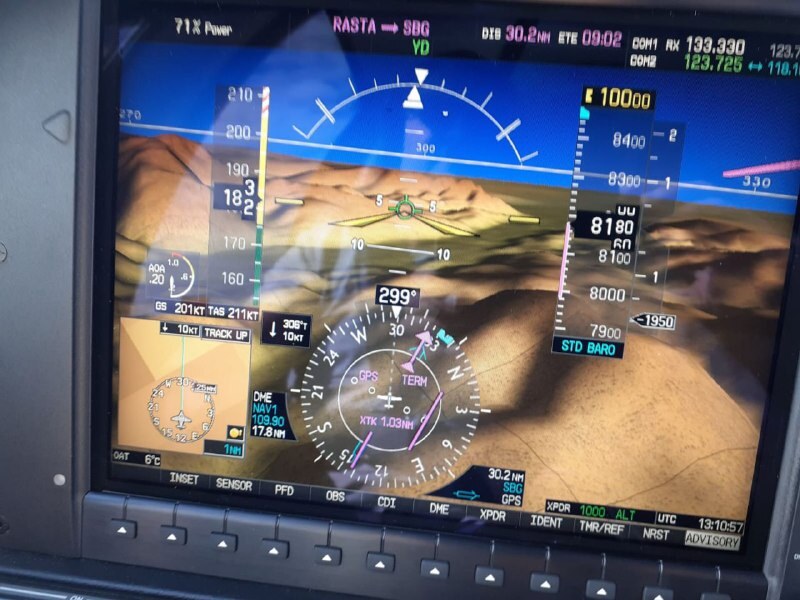
Glass cockpit display with synthetic vision and navigation data
Avionics workflow
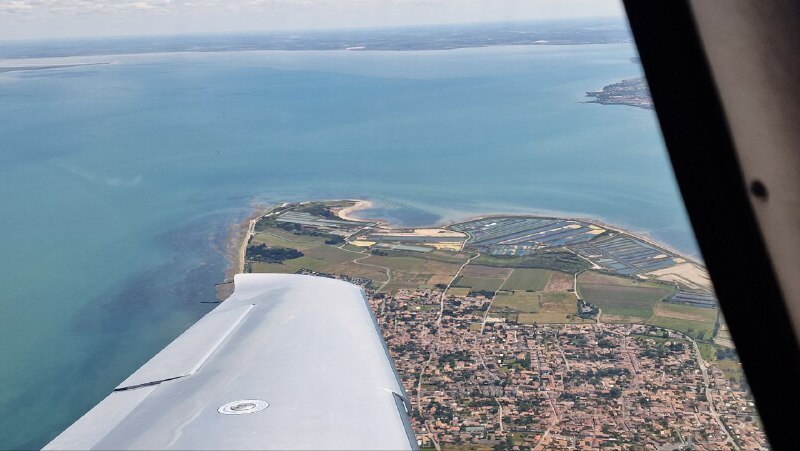
Aircraft wing on approach over a European coastline
European arrivals

Approach videos

See the arrival from the cockpit.

Real flight footage gives a better sense of sight picture, runway awareness and the calm, structured workflow behind a well-managed approach.

Final approach From the runway picture to touchdown.

A complete cockpit perspective of the final stages of an arrival.

Short final Runway alignment and the last corrections.

A compact view of the final moments before reaching the threshold.

Cirrus-focused SR22T systems, avionics, performance and operating habits.
FAA to EASA TIP-L pathway support for eligible FAA PPL holders.
Scenario-based Practical missions instead of isolated exercises.
European operations Airspace, procedures, weather and decision-making.

Training programmes

More than an aircraft checkout.

The objective is not only to fly the aircraft, but to understand its systems, automation, performance and decision-making demands in real European operations.

01

SR22T Transition & Familiarisation

A structured introduction for pilots moving to the Cirrus SR22T or returning after a longer break.

  • Aircraft systems and limitations
  • Normal and abnormal procedures
  • CAPS philosophy and deployment decisions
  • Take-off, landing and energy management
  • Garmin Perspective / Perspective+ workflow
02

Recurrent & Proficiency Training

Individual refresher training focused on proficiency, risk management and reliable cockpit routines.

  • Automation and autopilot management
  • Emergency and abnormal scenarios
  • Crosswind and short-field operations
  • Weather and go/no-go decisions
  • Personal operating minima
03

European & Alpine Operations

Preparation for pilots new to European airspace, Austrian procedures or mountainous terrain.

  • European airspace structure
  • Flight planning and airport procedures
  • Mountain weather and terrain awareness
  • Density altitude and performance planning
  • Radio procedures and operational briefings

FAA-to-EASA licence transition

A structured route under the EU-US BASA TIP-L.

Annex 3 of the EU-US Bilateral Aviation Safety Agreement and the associated Technical Implementation Procedures – Licensing (TIP-L) provide a defined pathway for eligible holders of an FAA Private Pilot Licence to obtain an EASA Part-FCL PPL.

Support can begin with an individual eligibility and gap review, followed by a clear plan for the applicable medical, language, theoretical knowledge, training, test and application requirements. The objective is to recognise relevant FAA experience while preparing you properly for the European licensing environment.

We also support you through the EASA medical process and can connect you with a suitable Aero-Medical Examiner (AME) for the required medical examination.

TIP-L applies to eligible PPL conversions. FAA CPL and ATPL conversions follow the standard EU third-country licence process.

For international pilots

Arrive prepared. Leave confident.

Flying in Europe can feel unfamiliar even to highly experienced pilots. Airspace is compact, procedures vary between countries and weather decisions often need to be made with limited margins.

The training is tailored to your background, aircraft and intended missions. It can combine ground preparation, cockpit familiarisation, local area flying, cross-country scenarios and, where appropriate, IFR-oriented coaching.

Instruction is available in English and German. Training may be organised from a suitable location in Austria or, by arrangement, at another European location.

Support is also available for the EASA medical process, including preparation of the requirements and access to a suitable Aero-Medical Examiner.

Training process

A clear path from briefing to confident operation.

Step 1

Experience review

Your licences, recent experience, avionics background and operational goals are reviewed.

Step 2

Training plan

The programme is adapted to your experience, aircraft configuration and intended missions.

Step 3

Ground & flight training

Systems knowledge, cockpit workflow and scenario-based flying are combined.

Step 4

Debrief & next steps

You receive a structured debrief and practical recommendations for continued proficiency.

Your instructor

Experience, judgement and personal attention.

I am an experienced European flight instructor and flight examiner with a strong focus on practical, disciplined and safety-oriented general aviation training.

My approach combines accurate aircraft handling with modern cockpit management, operational decision-making and clear communication. Training is conducted without unnecessary pressure and with enough time to understand not only what to do, but why.

With 40 years of aviation experience, I combine long-term practical judgement with current European training and examination standards. Instruction is available in English and German.

FI(A) PPL, CPL, IR, Night and FI
SEP(land) & TMG Flight instruction privileges
CRE(A), FE(A) & IRE(A) Examiner privileges for SEP(land), TMG and IR
40 years of aviation experience

Frequently asked questions

What pilots usually want to know.

Do I need previous Cirrus experience?

No. The programme can be adapted for a first Cirrus transition, a move from another high-performance single or a return to the aircraft after a break.

Can the training be completed in my own aircraft?

Yes, subject to aircraft documentation, insurance approval, airworthiness and the agreed training location.

How long does the training take?

Duration depends on recent experience, avionics familiarity, licence privileges, insurance requirements and training objectives.

Is this an official Cirrus Transition Certificate?

The exact completion documentation depends on the agreed training programme and the applicable authorisation. This will be clarified before training begins.

Can international pilots train in Austria?

In many cases, yes. Licensing, validation, insurance and aircraft requirements must be checked before training begins.

Can any FAA licence be converted under TIP-L?

No. The BASA TIP-L pathway applies to eligible FAA PPL holders seeking an EASA Part-FCL PPL and can include certain associated ratings. FAA CPL and ATPL conversions follow the standard EU third-country licence process. Exact requirements must be confirmed with the relevant licensing authority.

Can you help me obtain the required EASA medical?

Yes. We can support you with the medical requirements and arrange contact with a suitable Aero-Medical Examiner for the required examination.

Start your training

Tell me about your experience and your goals.

Send your licence type, total time, recent experience and whether your enquiry concerns Cirrus training, European familiarisation or an FAA-to-EASA licence transition.